
Understanding the Interplay of Hypoxemia and Dialysis, Survey via https://corpora.ai/
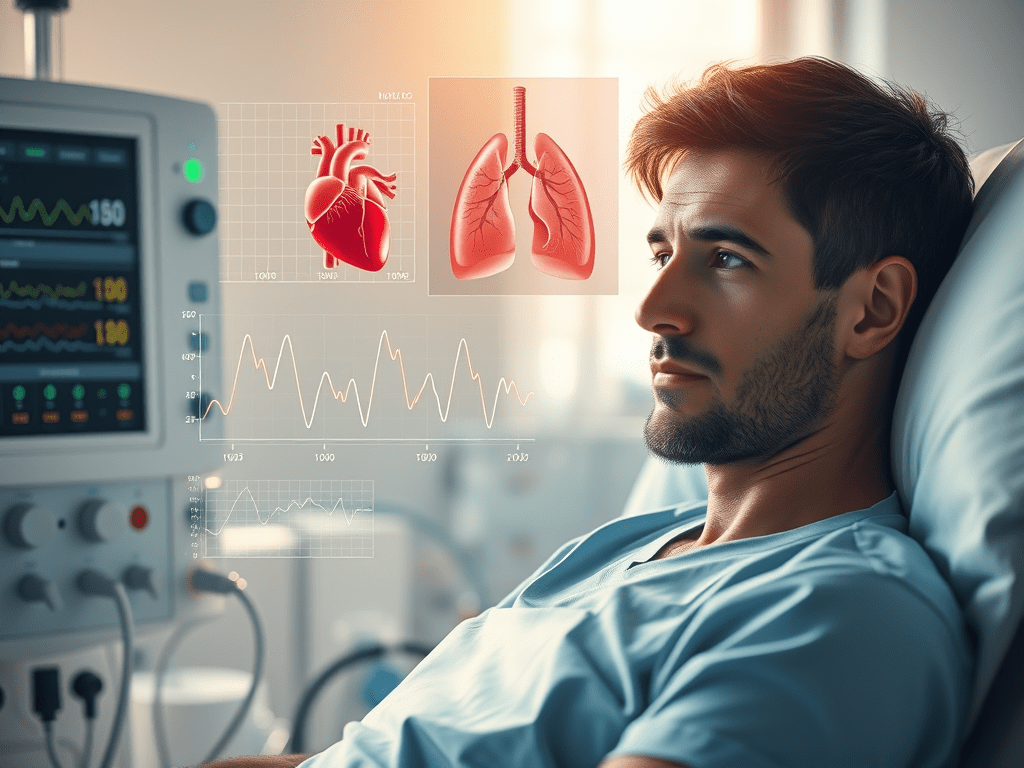
Understanding the interplay between hypoxemia and dialysis is crucial in managing patients with complex health challenges. Hypoxemia, defined as low levels of oxygen in the blood, can have various causes including acute respiratory distress syndrome, high-altitude exposure, and cardiovascular dysfunction. Several studies highlight how systemic hypoxemia can induce cardiomyocyte hypertrophy and right ventricular proliferation, exacerbating cardiac conditions.
The mechanics of dialysis involve the removal of waste products and excess fluids from the blood, which is critical for patients with kidney failure. However, the process itself can introduce complications such as intradialytic hypotension and hemoincompatibility. These issues can potentially worsen hypoxemia, making patient monitoring and management strategies essential.
Linking hypoxemia to dialysis, research has shown that dialysis patients, particularly those with pulmonary hypertension or undergoing extracorporeal membrane oxygenation, are at higher risk of developing hypoxemic conditions. The integration of advanced monitoring technologies and predictive models can help mitigate these risks by providing early warnings and enabling tailored interventions.
Clinical studies and findings underscore the importance of individualized care. Management and prevention strategies, such as the use of inhaled nitric oxide or careful monitoring of arterial blood gases, can play a significant role in improving patient outcomes. Additionally, emerging therapies targeting the hypoxia-adenosine axis offer promising avenues for addressing acute respiratory distress syndrome linked to hypoxemia in dialysis patients.
Hypoxemia, a common abnormal condition in clinical practice, is primarily caused by various respiratory diseases and can lead to respiratory failure [1]. Cardiovascular causes, such as shunts, can also result in hypoxemia [2]. In more severe cases, hypoxemia can be fatal, as demonstrated in a study where severe hypoxemia led to death in mice during a two-week test period [3]. Specific cases, such as tricuspid regurgitation (TR) induced by tricuspid valve prolapse (TVP), can cause intractable hypoxemia [4]. Dead space ventilation is another cause of hypoxemia, as observed in patients with dermatomyositis complicated with interstitial pneumonia [5]. Moreover, anesthetics like propofol can inhibit respiration and cause upper airway obstruction, leading to hypoxemia during procedures such as gastrointestinal endoscopy [6]. There are also implications for cardiac function, as hypoxemia can increase cardiac output through heart rate changes to maintain oxygen delivery [7]. The presence of right-to-left (R-L) atrial shunts can also cause refractory hypoxemia, confirming the link between cardiovascular anomalies and this condition [8]. In pediatric cases, tricuspid valve prolapse can lead to cyanosis and hypoxemia [9]. Hypoxemia often results in a deficiency of oxygen in tissues, and this can cause or exacerbate various systemic conditions, including metabolic dysfunctions and cardiac injuries [10,11]. Finally, conditions like chronic obstructive pulmonary disease (COPD) can lead to hypoxemia due to ventilation-perfusion mismatching, which can be managed with low flow supplemental oxygen therapy [12]. These insights reveal the multifaceted causes of hypoxemia and underscore the importance of precise diagnosis and management in clinical settings.
The dialysis process is crucial for patients suffering from kidney failure as it helps in purifying blood when kidneys are unable to perform this function [13]. Dialysis, which includes modalities like hemodialysis and peritoneal dialysis, is often a challenging procedure that significantly impacts daily life [14]. In hemodialysis, patients are exposed to large volumes of water, which is necessary for the blood cleaning process [16]. The process also entails the use of different dialysate buffers for chemical separation, crucial for effective treatment [18]. During dialysis, diffusion dialysis leverages a concentration gradient to separate substances, presenting an energy-efficient purification method [19]. The RP-CAD method has shown how lipid loss can be attributed to dialysis purification processes [17]. Furthermore, dialysis machines require water to be heated to body temperature to facilitate filtration [22]. Dialysis can be performed at home or in a center, with advancements in home dialysis contributing to patient convenience and autonomy [21]. Incremental dialysis, especially for new patients with end-stage kidney disease, has been implemented to tailor treatments based on individual patient needs [20]. Such innovations reflect the ongoing efforts to enhance process efficiency and patient outcomes [15].
3. Linking Hypoxemia to Dialysis
Hypoxemia is a prevalent issue during hemodialysis, potentially contributing to dialysis morbidity due to its complex and uncertain mechanisms [23]. One significant predictor of urgent dialysis needs is hypoxemia, alongside increased time from the last dialysis session [24]. Complications related to hypoxemia in dialysis patients can include pulmonary thromboembolism and pulmonary heart disease, which heighten the risk of severe cases [25]. Moreover, dialysis-associated pericarditis often presents with symptoms such as hypoxemia, indicating a nonspecific clinical picture related to renal disease [26]. Investigations into gas exchange during dialysis show persistent hypoxemia post-treatment, which is linked to an increased alveolar-arterial oxygen gradient [28]. Additionally, intradialytic hypoxemia is noted as a common issue among chronic hemodialysis patients [31]. To explore the cause of dialysis-related hypoxemia, gas exchange measurements in stable dialysis patients, both with normal pulmonary function and with chronic obstructive pulmonary disease (COPD), are conducted [27]. The occurrence of severe intradialytic hypoxemia and associated cardiovascular risk is documented, underlining the multifaceted challenges posed by hypoxemia during dialysis [29]. Moreover, the presence of pulmonary gas exchange issues in end-stage renal disease patients during hemodialysis suggests the need for comprehensive monitoring and management strategies to mitigate the effects of hypoxemia [30].
4. Clinical Studies and Findings
Clinical studies have shown that hypoxemia is a significant factor affecting dialysis patients. For instance, it has been identified as a predictor of urgent dialysis in patients treated with maintenance hemodialysis, particularly when there is an increased time since the last dialysis session [24]. This finding underscores the critical need for timely dialysis sessions to prevent complications. Additionally, hypoxemia in hemodialysis patients is often linked to other severe health issues, such as pulmonary thromboembolism and pulmonary heart disease, further elevating the risk of severe complications in these patients [25]. The association between hypoxemia and pulmonary hypertension (PH) is also noteworthy. Low hemoglobin (HGB) levels in dialysis patients impair oxygen transport, resulting in hypoxemia, which triggers pulmonary vasoconstriction and ultimately leads to PH [33]. Despite these challenges, there are indications that proper management of ventilation during dialysis can prevent ventilation-perfusion mismatching, thus averting hypoxemia [32]. The prevalence of hypoxemia during dialysis sessions is concerning, with approximately 10% of patients experiencing prolonged and severe hypoxemia [34]. This is further complicated by factors such as fluid overload during dialysis sessions, leading to congestion and subsequent hypoxemia in some patients [35]. Effective management strategies, including adjustments in dialysis schedules, have been shown to reduce the occurrence of hypoxemia and associated conditions like hypotension [36]. Additionally, some dialysis patients have been observed to experience hypoxemia due to factors related to the dialysis process itself, such as the activation of neutrophils and microbubble formation, which can lead to obstruction in pulmonary capillaries [37]. Overall, hypoxemia poses a significant challenge in dialysis, necessitating further research to optimize treatment protocols and minimize risks associated with this condition.
5. Management and Prevention Strategies
Management and prevention strategies for hypoxemia in dialysis patients are critical to improving patient outcomes. One approach involves careful monitoring of oxygen saturation (SaO2) in patients infected with COVID-19, especially with the Omicron variant, to prevent severe hypoxemia by timely correction [25]. Predictive models have identified hypoxemia and the duration since the last dialysis session as significant predictors for urgent dialysis, suggesting a need for routine monitoring and timely intervention [24]. During dialysis, ventilation-perfusion mismatches are rare, indicating controlled ventilation may mitigate hypoxemia risks [32]. However, about 10% of hemodialysis patients experience severe hypoxemia during sessions, underlining the necessity for intervention strategies such as daily dialysis adjustments to reduce hypoxemia and hypotension [34,36]. PLEX (plasma exchange) combined with specific regimens is recommended for patients with conditions like diffuse alveolar hemorrhage and hypoxemia, suggesting an integrative approach could be beneficial [38]. Furthermore, some complications like pulmonary thromboembolism and heart disease, related to hypoxemia in dialysis patients, could elevate the risk of severe cases, emphasizing the need for comprehensive management strategies [25]. These strategies must consider both immediate and long-term risks, as hypoxemia can contribute to adverse events and increased morbidity [39]. Implementing a combination of therapeutic interventions, including pharmacological and non-pharmacological methods, could help in managing hypoxemia effectively. Therefore, continuous adaptation and personalization of treatment protocols are vital for preventing the progression of hypoxemia and related complications in dialysis patients.
Citation Index
[1]TTN-related hereditary myopathy with early respiratory failure presented with elevated hemoglobin initially: A case report and literature review Author(s)Hanyang Liang
[2]Hypoxemia Author(s)Wiki
[3]Systemic Hypoxemia Induces Cardiomyocyte Hypertrophy and Right Ventricular Specific Induction of Proliferation Author(s)Jaslyn Johnson
[4]Case Report: unexpected cause of cyanosis in an infant after acute exposure to high altitude – severe tricuspid regurgitation secondary to tricuspid valve prolapse Author(s)Yaru Cui
[5]Case report: Inhaled nitric oxide rescued a hypoxemia patient caused by dermatomyositis complicated with interstitial pneumonia Author(s)Xiaoyan Wu
[6]Prediction Model of Hypoxemia in Gastrointestinal Endoscopy Based on Facial Photography and Clinical Indicators Author(s)Mengchang Yang
[7]Hyperoxemia and hypoxemia impair cellular oxygenation: a study in healthy volunteers Author(s)Bashar N. Hilderink
[8]A Case of Refractory Hypoxemia Secondary to Intracardiac Shunt Diagnosed in the Catheterization Laboratory Author(s)Ali Hillani
[9]Cardiology Author(s)Wiki
[10]More than a key, – – – – – the pathological roles of SARS-CoV-2 spike protein in COVID-19 related cardiac injury Author(s)Zhiqiang Lin
[11] Comorbidities and Laryngeal Cancer in Patients with Obstructive Sleep Apnea: A Review Author(s)Beata Kiss
[12] Hypoxia (medicine) Author(s)Wiki
[13] CEDP Skills Institute Admission course on Dialysis Technician Author(s)news.easyshiksha.com
[14] Patients suffering from End Stage Renal Disease (ESRD) are u… Author(s)medschool.cuanschutz.edu
[15] Dialysis Market Surges Towards USD 198.2 Billion by 2033 | Driven by Rising Demand for Renal Replacement Therapy Solutions Author(s)EIN Presswire
[16] Hemodialysis Author(s)Wiki
[17] RP-CAD for Lipid Quantification: Systematic Method Development and Intensified LNP Process Characterization Author(s)Nicole Beckert
[18] Dialysis – Explanation, Procedure, Importance, Types, Uses a… Author(s)vedantu.com
[19] Design of tropinium-functionalized anion exchange membranes for acid recovery via diffusion dialysis process Author(s)Muhammad Imran Khan
[20] Personalising haemodialysis treatment with incremental dialysis for incident patients with end-stage kidney disease: an implementation study protocol Author(s)Marni Armstrong
[21] Home Dialysis Among Elderly Patients Home older people Is Ho… Author(s)completehealthnews.com
[22] DaVita’s First Solar Thermal Dialysis Clinic Trial Shows Sub… Author(s)newsroom.davita.com
[23] Contrasting mechanisms contributing to comparable alteration… Author(s)scholars.uthscsa.edu
[24] Predictors of Urgent Dialysis Following Ambulance Transport to the Emergency Department in Patients Treated With Maintenance Hemodialysis Author(s)Aran Thanamyooran
[25] Risk Factors and Drug Efficacy for Severe Illness in Hemodialysis Patients Infected with the Omicron Variant of COVID-19 Author(s)Yan Wu
[26] Uremic Pericarditis with Cardiac Tamponade in a Patient on Hemodialysis Author(s)Nismat Javed
[27] Pulmonary gas exchange during dialysis in patients with obst… Author(s)scholars.uthscsa.edu
[28] Gas exchange during dialysis. Contrasting mechanisms contributing to comparable alterations with acetate and bicarbonate buffers Author(s)J M Hunt
[29] Nocturnal hypoxemia and cardiovascular risk in dialysis Author(s)pubmed.ncbi.nlm.nih.gov
[30] A study of pulmonary function in end-stage… Author(s)scielo.br
[31] Intradialytic Hypoxemia in Chronic Hemodialysis Patients. Author(s)pubmed.ncbi.nlm.nih.gov
[32] JCI – Inert gas analysis of ventilation-perfusion matching d… Author(s)jci.org
[33] Development and Validation of a Nomogram for Predicting All-Cause Mortality in Patients with Hemodialysis Having Pulmonary Hypertension Author(s)Huimin Wu
[34] Digital health technology to support care and improve outcomes of chronic kidney disease patients: as a case illustration, the Withings toolkit health sensing tools Author(s)Bernard Canaud
[35] Assessing fluid volume and determining outcomes of acute heart failure using plasma human atrial natriuretic peptide Author(s)Yuya Suzuki
[36] Nirmatrelvirritonavir use in patients with COVID-19 on hemodialysis: a case series Author(s)Ai-hua Zhang
[37] Assessment of Pulmonary Hypertension in Chronic Kidney Disease Patients using Doppler Echocardiography Author(s)Jyoti Gaur
[38] Management of antineutrophil cytoplasmic antibody-associated vasculitis: a review of recent guidelines Author(s)Sung Soo Ahn
[39] Hemoincompatibility in Hemodialysis-Related Therapies and Their Health Economic Perspectives Author(s)Carsten Hornig



 Prof Paul Stewart - University of Derby UK