
Digital twins also offer potential for significant breakthroughs in areas such as pulmonary hypertension and atrial arrhythmias, where understanding complex disease mechanisms can lead to innovative therapeutic approaches. The use of these virtual models in simulating heart function and predicting disease progression is becoming an integral part of developing precision health strategies. As cardiovascular research continues to evolve, the role of digital twins is expected to expand, driven by advancements in computing power and data analytics
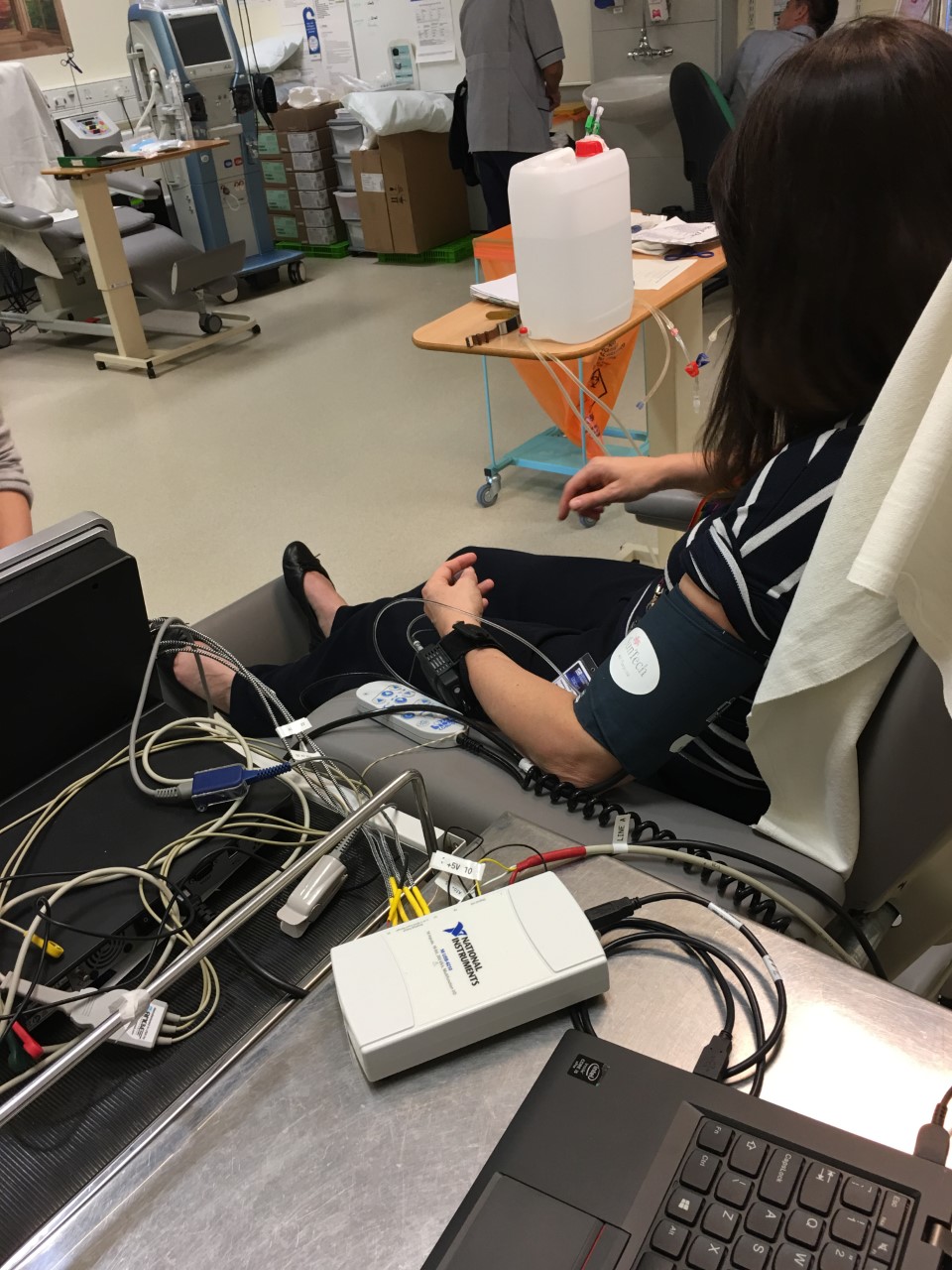
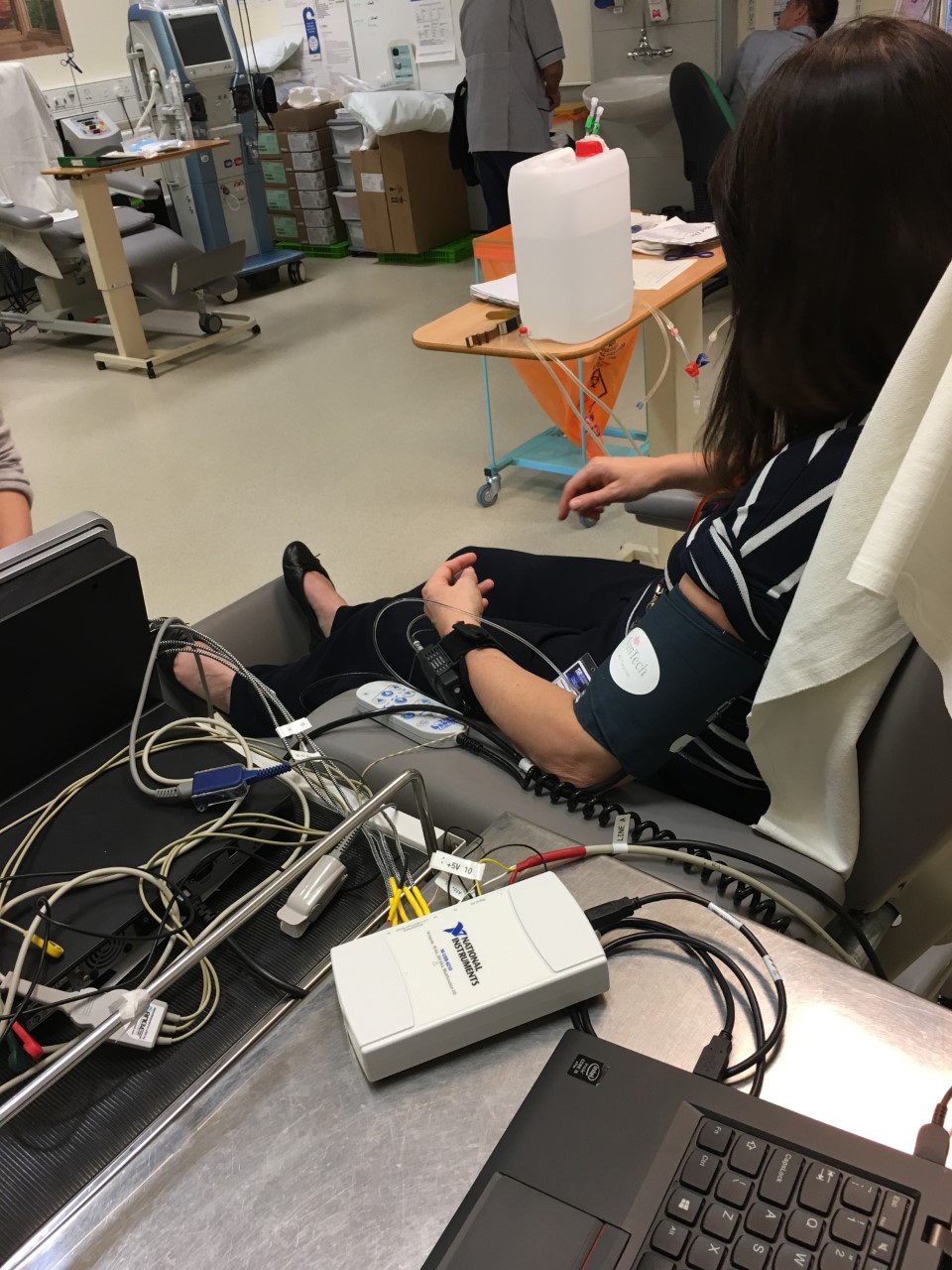
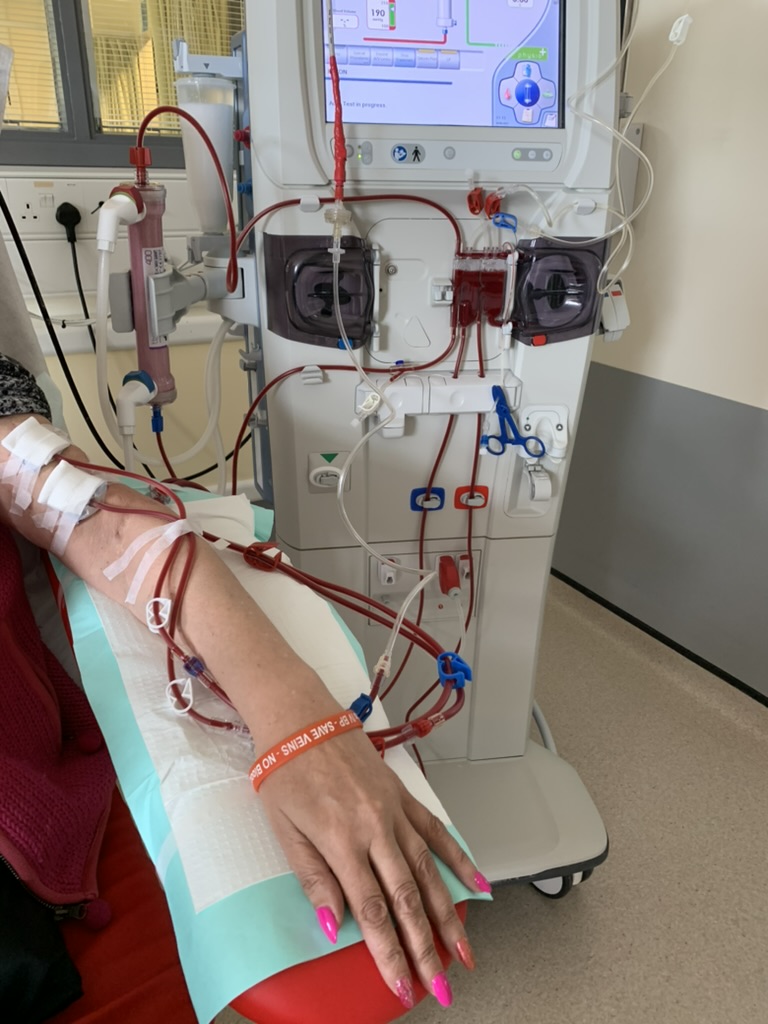
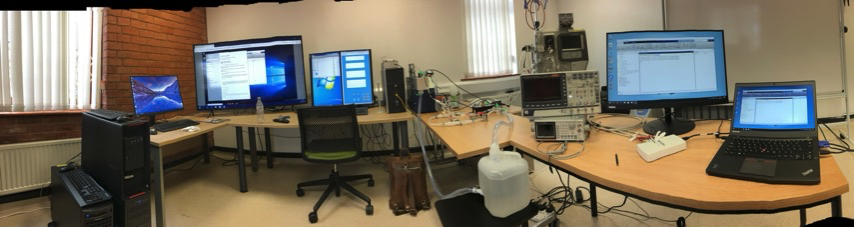
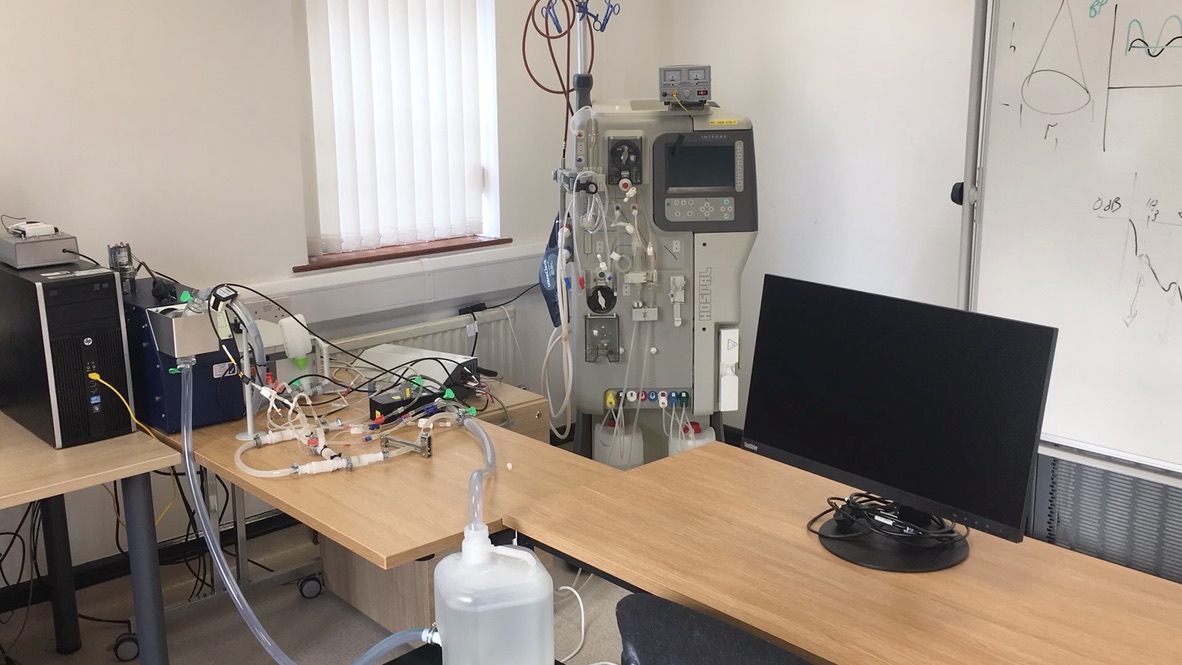
In order to support its goals, the iTrend Intelligent Systems for Renal Dialysis programme developed a mechanical cardio-vascular simulator, plus associated software simulations. We will be taking these developments forward in future programs to deliver hybrid digital twins to improve patient care by predicting potential health issues, testing the efficacy of treatments, and customizing healthcare strategies. Digital twins in healthcare represent a significant leap forward, offering personalized medicine and enabling healthcare professionals to make informed decisions.
The concept of cardiovascular system digital twins represents a transformative approach in healthcare, particularly within the field of cardiology. These digital twins are comprehensive simulations that mimic the behavior and characteristics of the cardiovascular system, offering numerous applications in precision medicine, predictive modeling, and clinical decision-making




 Prof Paul Stewart - University of Derby UK