
While preparing for a collaborative grant application, I conducted my background work Corpora.ai’s technical AI search engine which constructed this in depth research report in 80 seconds

Corpora.ai
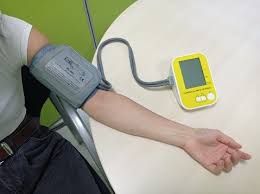
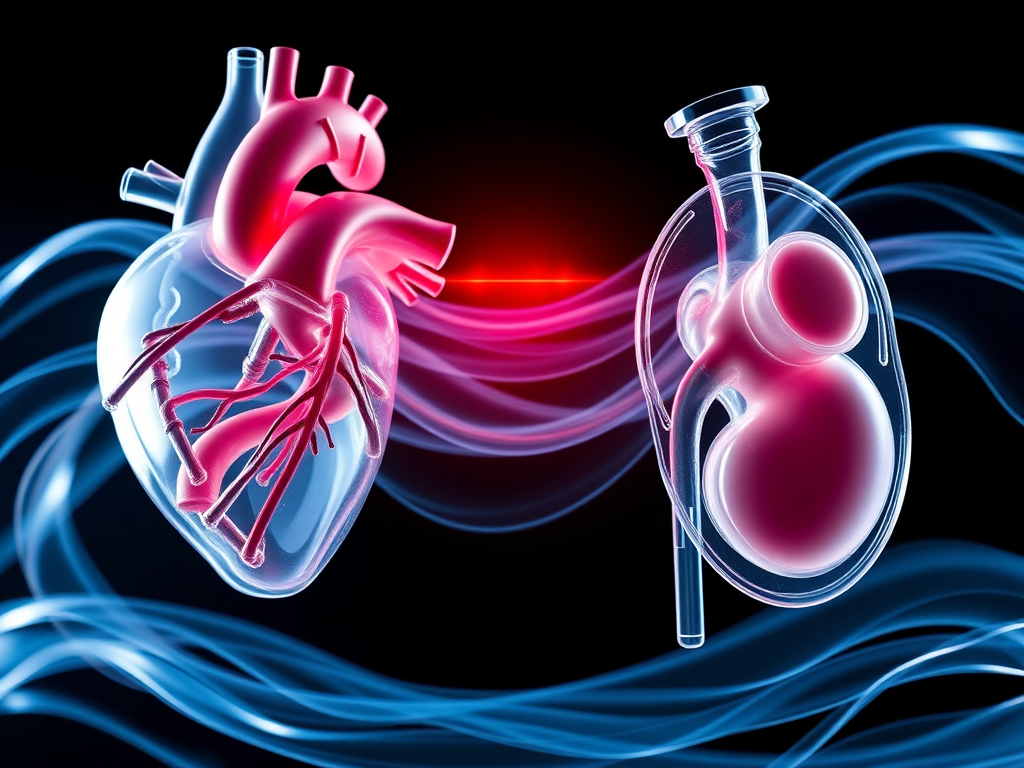
Remote Ischemic Conditioning (RIC) is a promising, minimally invasive therapeutic strategy aimed at protecting vital organs from ischemia-reperfusion injury. It involves brief cycles of transient ischemia and reperfusion, typically applied to a limb, to activate endogenous protective mechanisms in distant organs such as the brain, heart, and kidneys. Its applications span a variety of acute and chronic conditions, notably stroke, myocardial infarction, and other ischemic injuries.
Remote Ischemic Conditioning represents a promising adjunct therapy with a favorable safety profile across multiple clinical conditions involving ischemia-reperfusion injury. Its non-invasive nature makes it particularly attractive in emergency, surgical, and chronic care settings. However, variability in protocols, patient selection, and mixed efficacy results underscore the need for:
–Standardized protocols tailored to specific patient populations.
–Large, multicenter randomized trials to establish definitive efficacy.
–Integration of biomarkers and imaging for personalized therapy assessment.
–Overcoming logistical and technological barriers to facilitate broader clinical adoption.
In sum, with ongoing research and refinement, RIC holds the potential to significantly improve outcomes in stroke, cardiac, and other ischemic diseases, ultimately enriching the armamentarium of organ-protective strategies in modern medicine.


 Prof Paul Stewart - University of Derby UK