
Key Concepts and Relationships Overview
The core concepts revolve around non-invasive blood pressure monitoring, real-time data analysis, predictive modeling, personalized treatment, and the integration of engineering and medical sciences. These innovations are driven by collaborative research, substantial funding, and a commitment to life-saving technologies. Project inception was in 2017 and is ongoing.
Key Entities and Stakeholders
| Entity | Role & Contribution |
|---|---|
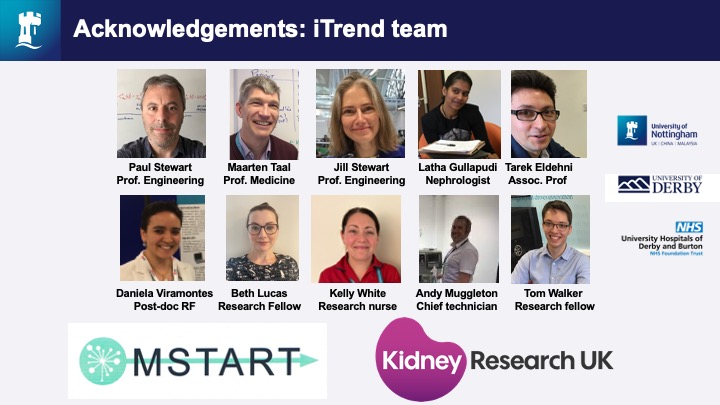
| University of Derby | Leading research on sensor development, data analysis, and clinical trials . Principal Investigator: Prof Paul Stewart |
| University of Nottingham | Collaborating on technology support and data analysis, focusing on personalized treatment. |
| Royal Derby Hospital | Clinical testing site, providing real-world patient data and validation. |
| MStart Trust & Mel Morris | Funding body supporting long-term research projects and technological innovations. |
| Patients with ESKD | Beneficiaries of improved, personalized dialysis treatment and safety enhancements. |
Summary of Insights
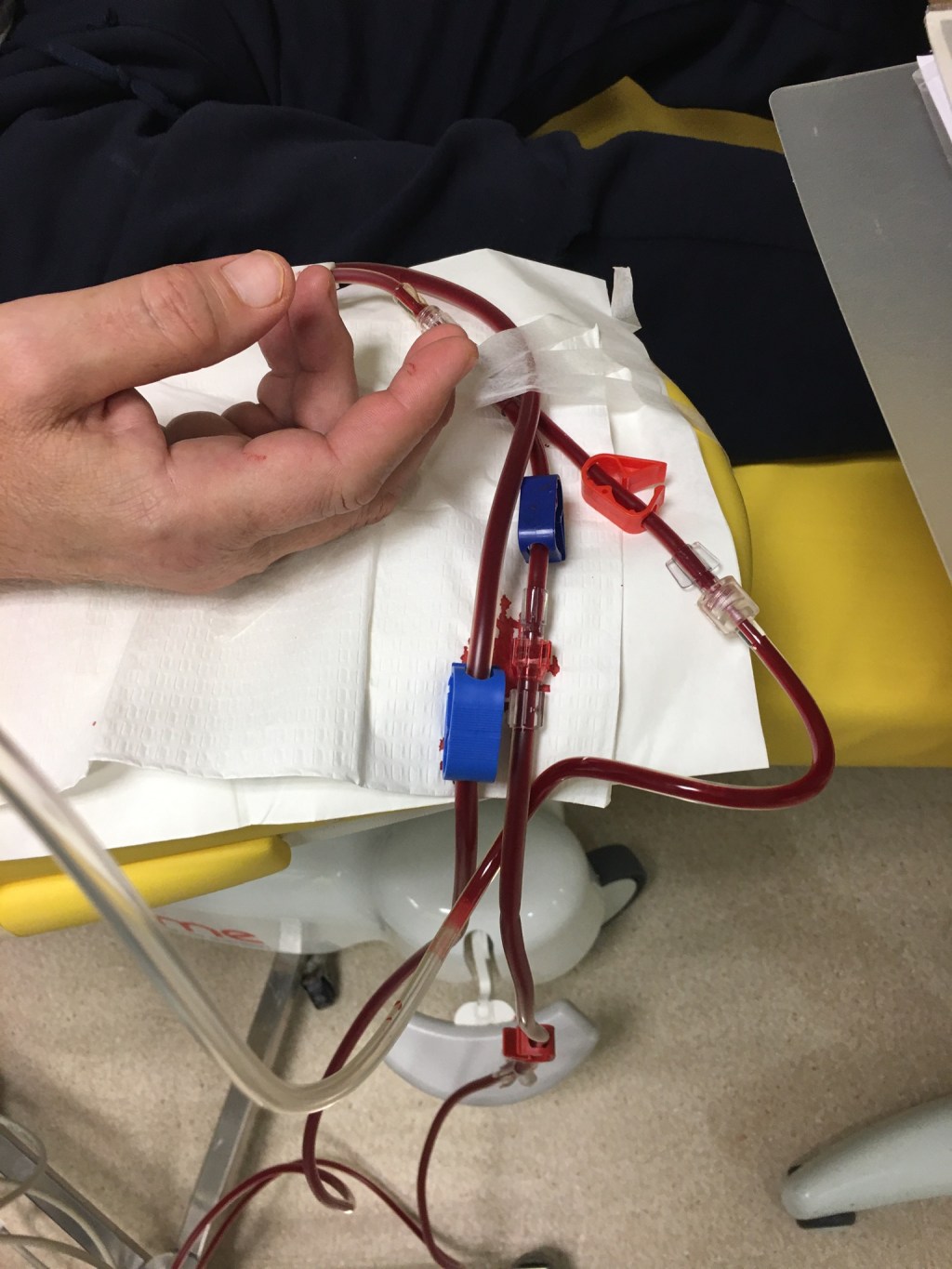
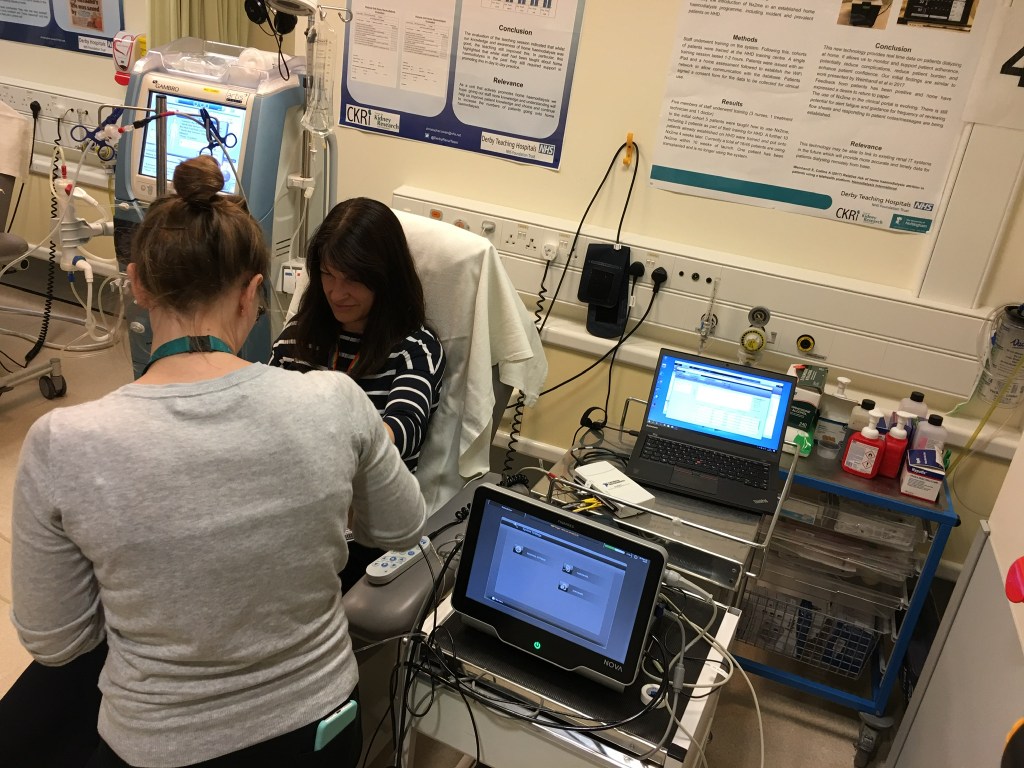
- Integrated Technology Approach: Utilization of advanced sensors and data analytics to facilitate continuous, non-invasive monitoring of blood pressure during dialysis, marking a significant leap from traditional intermittent measurement techniques.
- Predictive Analytics for Clinical Decision Support: Development of machine learning algorithms that leverage real-time and historical data to anticipate critical drops in blood pressure, thereby enabling preemptive adjustments to treatment regimes and improving patient safety.
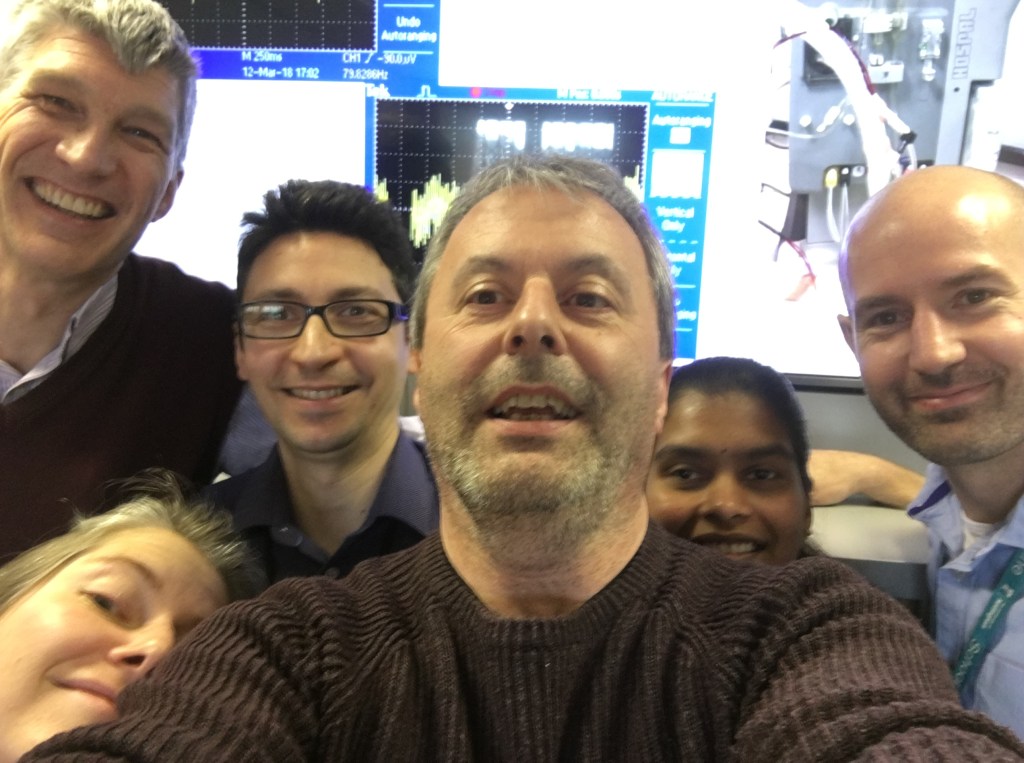
- Multidisciplinary Collaboration and Validation: Long-standing partnership between universities, hospitals, and funding agencies underpin the development, validation, and deployment of these innovative solutions, supported by rigorous feasibility studies and clinical validation protocols.
- Societal and Healthcare Impact: Recognition at the national level underscores the potential of these technological advancements to save lives, optimize treatment outcomes, and transform dialysis care paradigms.
- Future Directions: Ongoing refinement of predictive models, expansion of patient datasets, and integration into standard clinical workflows are anticipated to further personalize dialysis, reduce complications, and enhance quality of life for patients with end-stage kidney disease.

 Prof Paul Stewart - University of Derby UK
Leave a comment