
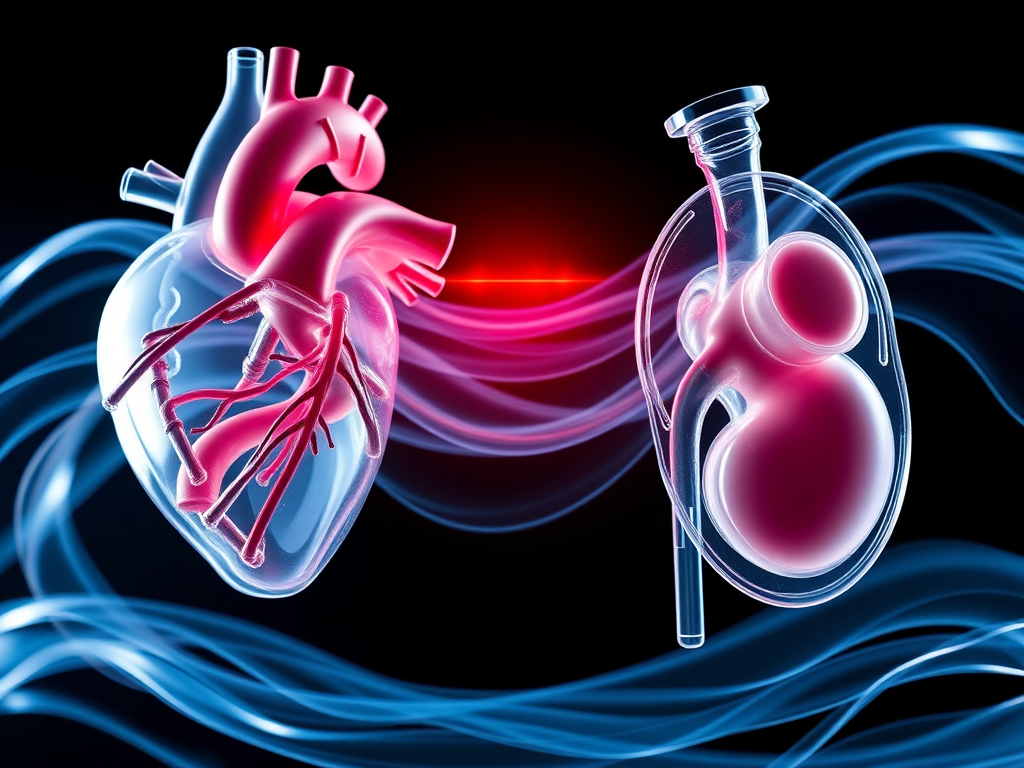
Renal dialysis patients (end-stage renal disease, ESRD) experience high rates of morbidity and mortality, with survival rates often significantly lower than the general population. The leading causes of morbidity and mortality are cardiovascular disease (CVD) and infection.
Here are the major morbidity and comorbidity factors for renal dialysis patients:
1. Cardiovascular Disease (CVD) – The Leading Cause of Morbidity
CVD accounts for 40%–50% of all deaths in dialysis patients. It is frequently present at the initiation of dialysis, with over 50% of patients having pre-existing heart conditions.
- Heart Failure and Congestive Heart Failure (CHF): Often caused by long-term hypertension and fluid overload, it is a strong predictor of poor outcome.
- Left Ventricular Hypertrophy (LVH): Extremely common (present in up to 75% of dialysis patients), it acts as an independent risk factor for mortality.
- Ischemic Heart Disease (IHD): Angina or history of myocardial infarction.
- Sudden Cardiac Death (SCD): Responsible for 25% of all cardiovascular deaths.
- Peripheral Vascular Disease (PVD): Common in patients with diabetes.
2. Metabolic and Chronic Conditions
- Diabetes Mellitus: The most common cause of end-stage renal disease (ESRD) and a major driver of mortality, strongly associated with cardiovascular complications.
- Hypertension: Both a cause and a common complication of renal failure. Paradoxically, low blood pressure in established dialysis patients is often a marker of advanced heart failure and high mortality.
- Chronic Kidney Disease–Mineral and Bone Disorder (CKD-MBD): A syndrome involving abnormal calcium, phosphate, parathyroid hormone (PTH), and Vitamin D metabolism, leading to vascular calcification and renal osteodystrophy.
- Anemia: Caused by decreased erythropoietin production by failing kidneys, leading to fatigue, increased cardiac workload, and LVH.
3. Nutrition, Inflammation, and Wasting
- Malnutrition/Protein-Energy Wasting (PEW): Often coexists with a chronic inflammatory state. Low serum albumin (hypoalbuminemia) is a powerful, independent predictor of high mortality.
- Chronic Inflammation: Almost universal in dialysis patients due to uremia, oxidative stress, and biocompatibility issues with dialysis machines.
4. Treatment-Related Morbidity
- Infections: Vascular catheter-associated bloodstream infections (often Staphylococcus aureus) are major causes of death.
- Vascular Access Complications: Issues with arteriovenous fistulas or grafts, including thrombosis, bleeding, and infection.
- Dialysis-Related Amyloidosis: A condition caused by deposition of
𝛽2-microglobulin.
5. Other Comorbid Factors
- Increasing Age: The risk of death for a patient initiating dialysis doubles with each decade.
- Cognitive and Functional Impairment: Frailty and cognitive deficits are highly associated with mortality in elderly dialysis patients.
- Depression: Highly prevalent, affecting quality of life and adherence to treatment.
- Malignancy: A significant cause of death, accounting for approximately 8% of deaths in some studies.
Key Predictors of Poor Outcome
The most significant predictors of poor survival in dialysis patients are:
- Cardiovascular Disease
- Diabetes
- Low Serum Albumin (indicating malnutrition/inflammation)
- Age
- Use of a Central Venous Catheter (rather than fistula)
The highest risk of mortality is within the first 6 months of starting dialysis.



 Prof Paul Stewart - University of Derby UK
Leave a comment