
@corpora.ai
Hemodynamics and fluid dynamics are critical in the design and operation of kidney and cardiac devices, as they directly influence organ perfusion, blood damage (hemolysis), and the risk of blood clots (thrombosis).
Hemodynamics in Cardiac Devices
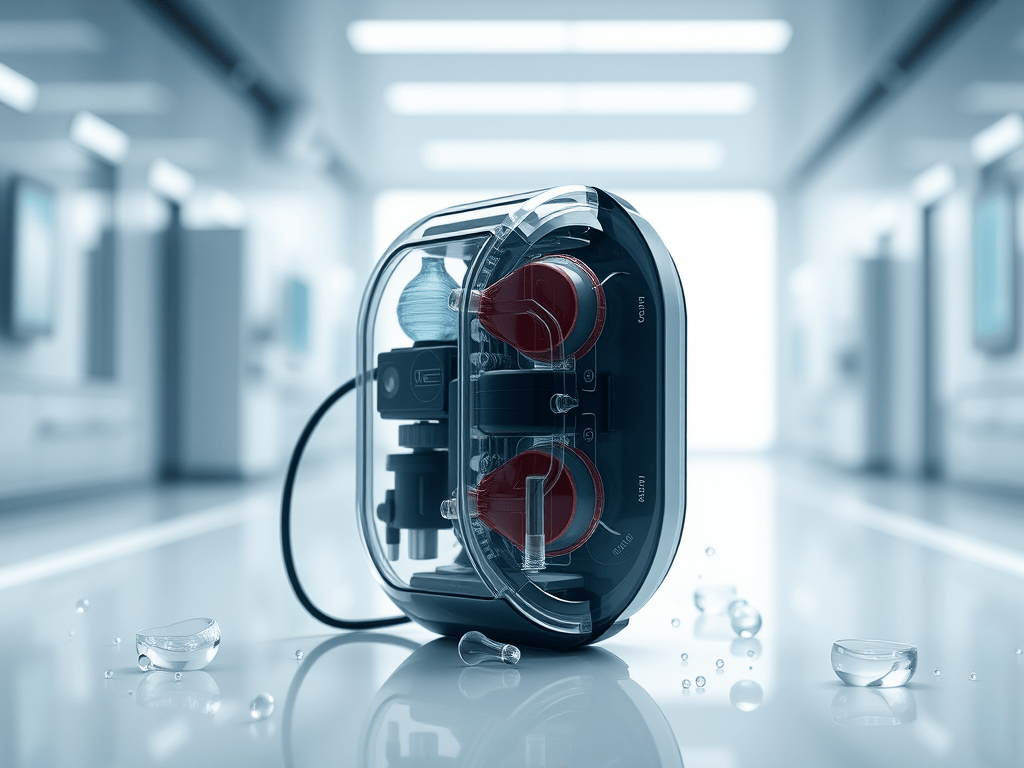
Cardiac devices, such as Mechanical Circulatory Support (MCS) and Left Ventricular Assist Devices (LVADs), aim to restore systemic blood flow while unloading the heart.
- Flow Patterns: Devices like the Jarvik 2000 or Impella use axial or centrifugal pumps that often create nonpulsatile (continuous) flow. While this supports cardiac output, it can blunt the body’s natural pressure-regulating mechanisms.
- Fluid Dynamics & Blood Damage: High-speed internal rotors can create high shear stress, which may rupture red blood cells (hemolysis) or activate platelets, leading to thrombosis. Engineers use Computational Fluid Dynamics (CFD) to minimize “stagnation zones” where blood might pool and clot.
- Organ Perfusion: Optimal pump speed is vital; if too high, it can over-unload the ventricle and cause it to collapse; if too low, it fails to provide adequate end-organ perfusion to the brain and kidneys.
Hemodynamics in Kidney Devices
In renal replacement therapies like Hemodialysis (HD), fluid dynamics focus on the efficient removal of waste and excess fluid while maintaining systemic stability.
- Pressure-Driven Filtration: Dialysis machines use controlled ultrafiltration to remove water from the blood based on pressure gradients across a semi-permeable membrane.
- Hemodynamic Instability: Rapid fluid removal during dialysis can lead to intradialytic hypotension (a sudden drop in blood pressure), which stresses the heart and can cause “cardiac stunning”.
- Access Dynamics: Devices like Arteriovenous (AV) fistulas significantly alter regional hemodynamics by creating high-flow, low-resistance circuits that can lead to heart remodeling or volume overload over time.
The Cardiorenal Connection
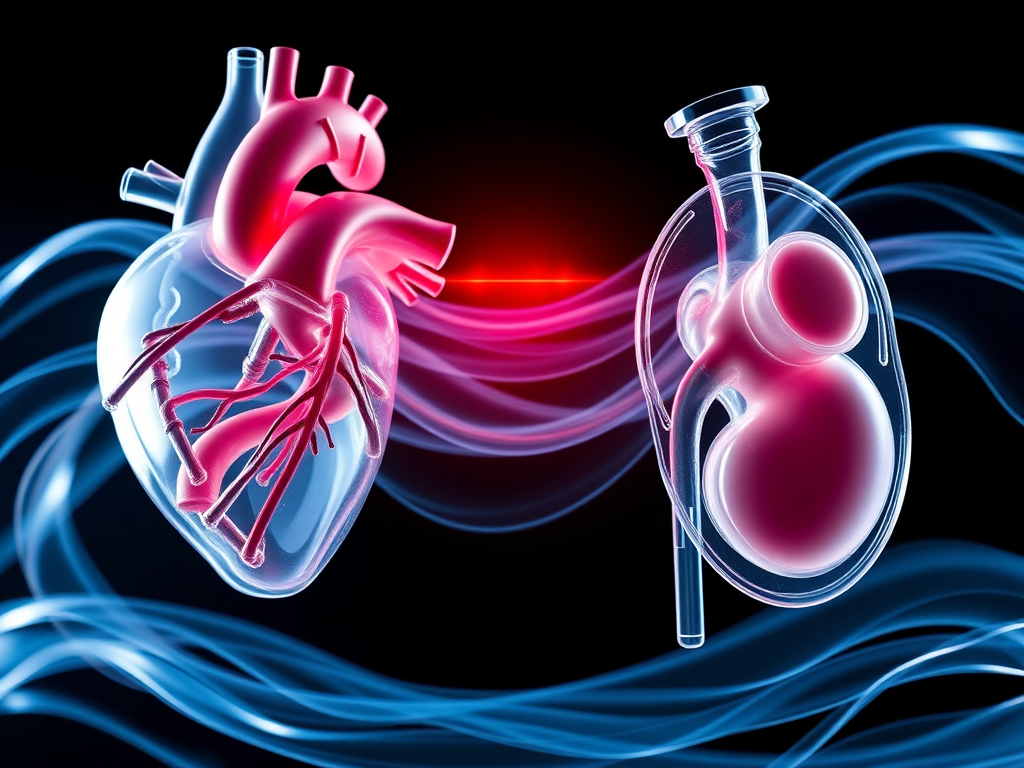
The heart and kidneys are hemodynamically linked; dysfunction in one often leads to dysfunction in the other, a condition known as Cardiorenal Syndrome.
- Venous Congestion: High Central Venous Pressure (CVP) from a failing heart can “push back” against the kidneys, causing renal congestion and reduced filtration.
- Monitoring: Modern devices use Implantable Hemodynamic Monitors (IHM) to track right ventricular pressures and heart rate remotely, helping clinicians adjust fluid management before kidney damage occurs.
- Emerging Tech: New “renal assist devices” are being developed to either “push” (increase arterial perfusion) or “pull” (reduce venous congestion) to improve kidney health in heart failure patients.
The following comprehensive analysis integrates insights from diverse literature on fluid dynamics applications in nephrology, vascular surgery, and medical device engineering. The focus centers on optimizing blood flow, reducing complications like clotting and stenosis, and advancing artificial organ design. The following visualizations elucidate key concepts, relationships, temporal developments, and cause-effect mechanisms relevant to fluid dynamics in kidney disease management.


 Prof Paul Stewart - University of Derby UK
Leave a comment