

From Advanced Propulsion Centre UK: http://www.apcuk.co.uk
15 October 2025
The Advanced Propulsion Centre UK (APC) has announced the latest project funded through the UK Government’s DRIVE35 Collaborate programme.
Toyota will lead a consortium to research and develop a new lightweight battery electric vehicle in Derbyshire.
The project aims to meet the evolving needs of urban populations while accelerating the shift to zero tailpipe emission transport by validating a novel, lightweight battery electric vehicle (BEV) in the L6e category.
Underlining Toyota’s commitment to investing in the UK’s R&D capabilities, it will be manufactured at Toyota Manufacturing UK’s (TMUK) Burnaston site.
The vehicle addresses the growing demand for sustainable micro-mobility solutions and includes an integrated solar roof, increased connectivity, and lightweight sustainable materials supporting recovery and recycling.
The £30.3 million project includes a £15 million grant from the Department for Business and Trade, supported by the APC’s Collaborate funding competition.
Rik Adams, Innovation Delivery Director, The Advanced Propulsion Centre UK, said:
“APC is very proud to be able to support Toyota with this Electric Vehicle (EV) urban mobility project, which embodies much of what DRIVE35 aims to support – innovation, UK competitiveness, productivity, and zero emission vehicles. As an integral part of the UK automotive industry, we are delighted that Toyota is partnering with some of our innovative SME businesses, such as ELM, and our world-class academics from the University of Derby, to deliver a cutting-edge vehicle concept designed, developed, and tested in the UK.”
The consortium includes:
- ELM – a specialist in lightweight urban delivery vehicles
- Savcor – to lead the solar PV lightweight roof design and integration
- University of Derby – providing expertise in studying micromobility user behaviour and the viability of solar energy
- Toyota Motor Europe – supporting the skills development of TMUK team members
From Toyota Europe: www,newsroom.toyota.eu
Brussels, 15 October 2025 – Toyota Manufacturing UK (TMUK) is leading a consortium of partners to evaluate the feasibility of a lightweight Battery Electric Vehicle (BEV) prototype in the L6e category. Partners in the consortium have secured funding from the UK Government’s DRIVE35 programme via the Advanced Propulsion Centre UK (APC) – a non-profit organisation supporting the development of zero emission technologies and new mobility concepts.
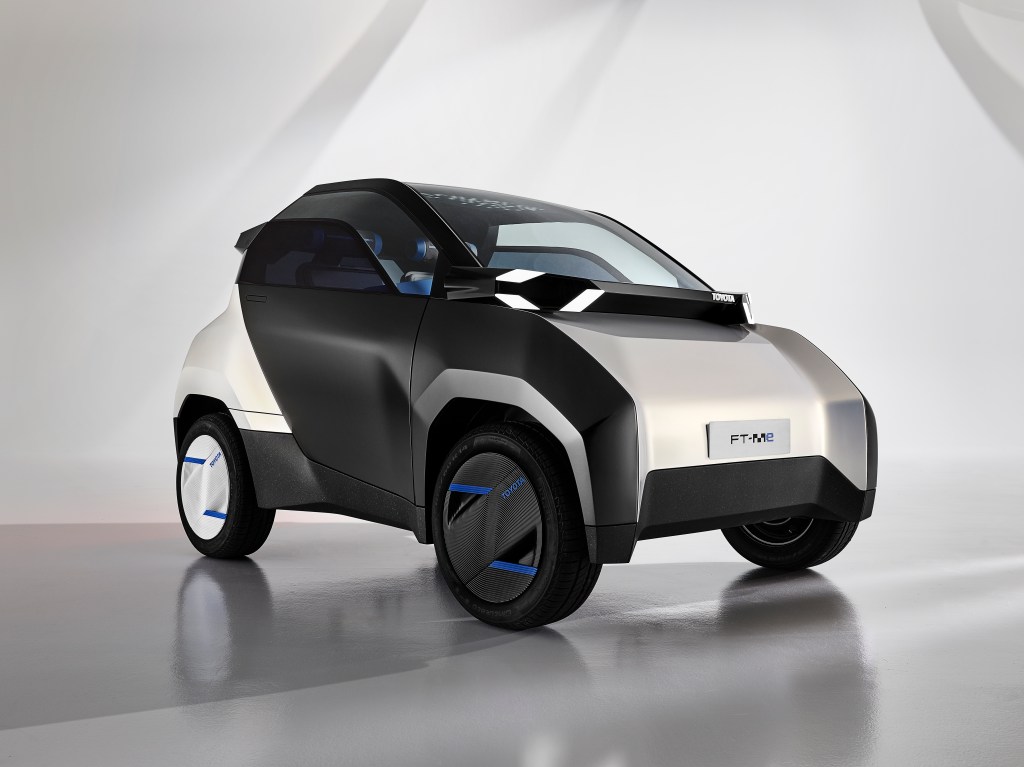
As many European cities reimagine their infrastructure to support low-carbon environments, this feasibility study illustrates Toyota’s ongoing commitment to exploring next-generation mobility solutions. The project aims to improve understanding of the evolving needs of urban populations while accelerating the shift to zero tailpipe emission transport.
The new vehicle study will be undertaken at TMUK’s facility in Derby, with its outcomes to be tested at the University of Derby – a consortium member supporting this research project as part of its net-zero carbon ambitions. The feasibility study will encompass a range of innovative areas, including an integrated solar roof – designed and developed by Savcor – and enhanced digital connectivity. The study will also evaluate solutions to optimise circularity through the use of recycled lightweight, sustainable materials. It will also explore the potential for component commonisation with ELM’s lightweight last-mile solution.
Drawing inspiration from the FT-Me concept, unveiled in March 2025 as Toyota’s vision for future micromobility in Europe, the study builds on the positive public response to the concept’s design and purpose. The study also aims to explore and validate how Toyota’s vision can be translated into a viable proposition that is aligned with the company’s environmental and mobility goals.
The consortium includes:
- ELM Mobility Limited – designer and producer of a purpose-built urban last mile delivery vehicle.
- Savcor – to lead the solar PV lightweight roof design and integration.
- University of Derby – providing expertise in studying micromobility user behaviour and the viability of solar energy.
- Toyota Motor Europe – supporting the skills development of TMUK team members.
Together, the consortium partners are studying how to shape a smarter and more sustainable future for urban mobility across Europe.
We are delighted to receive support from the Advanced Propulsion Centre for this important feasibility study. This funding allows us to advance our understanding around the feasibility of creating a cutting-edge battery electric vehicle that addresses the growing demand for sustainable urban mobility. The project acknowledges TMUK’s overall project excellence and will further strengthen the capabilities of our members.
Dariusz Mikolajczak, Managing Director of TMUK
About the Advanced Propulsion Centre
The Advanced Propulsion Centre UK (APC) collaborates with UK government, the automotive industry, and academia to facilitate driving research and investment in zero-emission vehicle manufacturing. Established in 2013 and jointly funded by the Department for Business and Trade (DBT) and the automotive industry, the APC accelerates the technologies that support the transition to zero-emission vehicle manufacturing and towards a net-zero automotive supply chain in the UK.
About the consortium members
Toyota Motor Manufacturing UK (TMUK) produces Corolla Hatchback, Touring Sports and Commercial models at its production centre in Burnaston, Derbyshire, and hybrid engines at its facility in Deeside North Wales. TMUK began production in 1992 as Toyota’s first fully owned manufacturing business in Europe and went on to become the company’s first location for hybrid electric vehicle manufacturing outside Japan. To date, Toyota has invested more than £2.82 billion in its UK manufacturing operations; TMUK currently employs more than 3,000 people and supports many further jobs in its extensive UK supplier network.
ELM Mobility Limited will study the platform and components for commonisation, aiming to reduce dual development and creating economies-of-scale. The collaboration will support ELM’s strategy of utilising high-quality components whilst minimising their overall capital requirements.
The University of Derby will combine academic research with public sector strategy and private sector innovation to address how integrated mobility solutions can align with existing and planned transport strategies. Applying innovations in data centric engineering, market demand opportunities along with user engagement and experience, the University of Derby will explore how novel technologies will be adopted and accepted such that micromobility reaches the most appropriate users and locations, maximising accessibility and effectiveness.
Savcor will study a PV lightweight integrated roof solution, using their expertise in PV technology and vehicle integration. As partner of TME, Savcor will design, develop and validate a solar roof for the L6e vehicle with the aim to extend the range of the vehicle by 20% creating a solution that supports average daily use without charging.


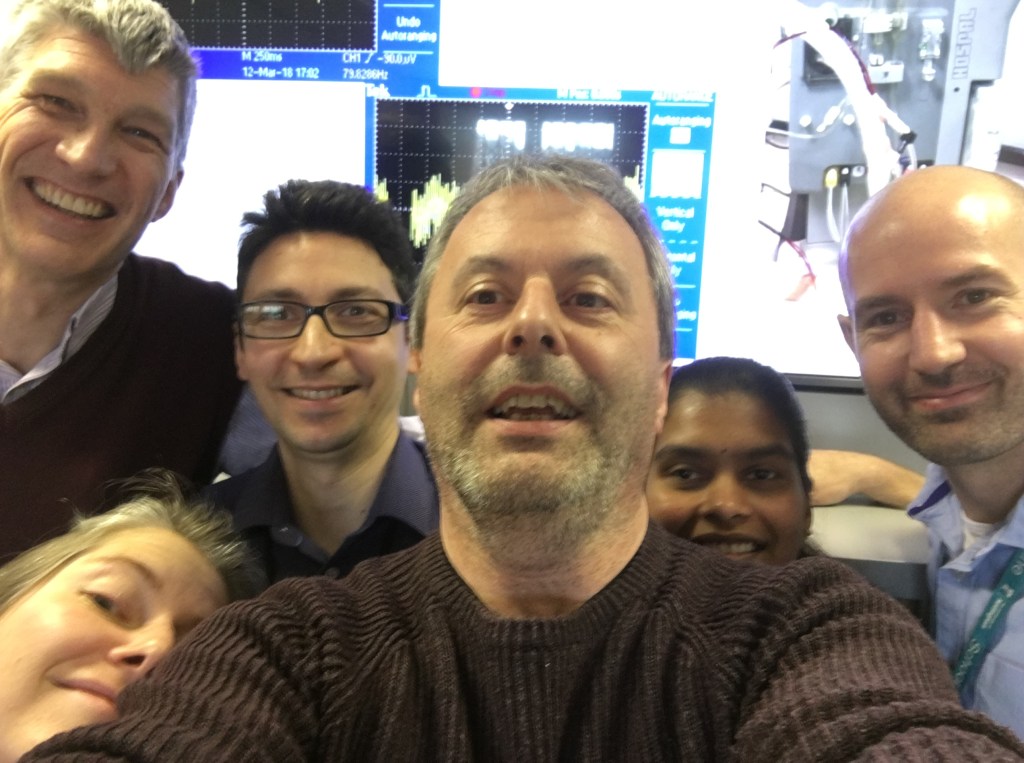

 Prof Paul Stewart - University of Derby UK
Leave a comment